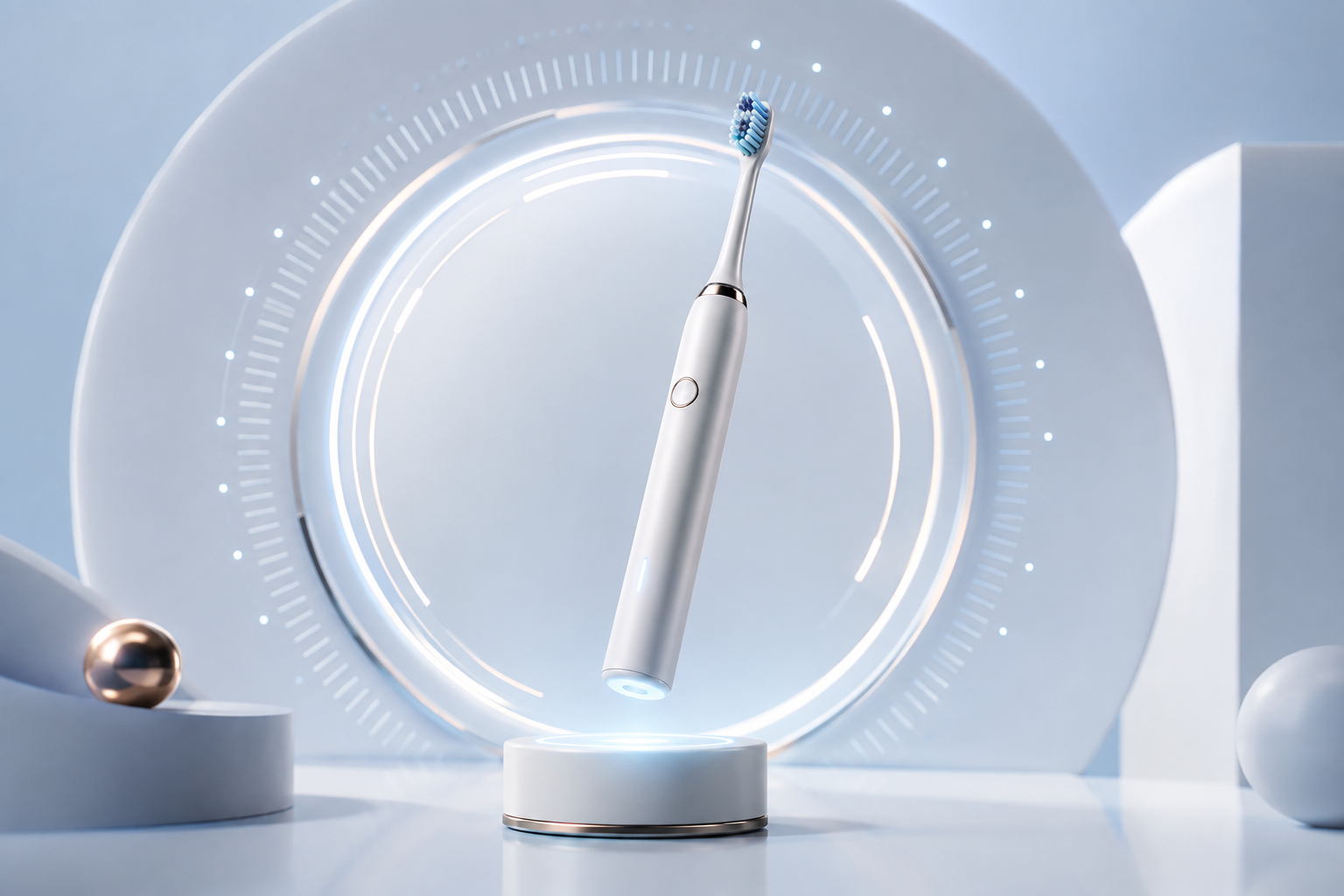
Choosing a toothbrush used to be fairly simple. You picked between soft, medium, or hard bristles, found a handle you liked, and replaced it every few months. Today, toothbrushes can connect to your phone, track where you brush, measure pressure, time each section of your mouth, and even provide personalized brushing advice.
With all those extra features, it is reasonable to wonder whether a smart toothbrush actually cleans your teeth better or whether a regular toothbrush can do the job just as well. At Kitchener Dentist Sherwood Dental, we believe the most important factor isn’t how advanced your toothbrush is, but whether it helps you brush thoroughly and consistently.
What Is a Smart Toothbrush?
A smart toothbrush is usually an electric toothbrush equipped with sensors and Bluetooth connectivity. Depending on the model, it may connect to a smartphone app and provide information about your brushing habits.
Common smart toothbrush features include:
- Two-minute brushing timers
- Pressure sensors
- Coverage tracking
- Brushing reminders
- Real-time feedback
- Personalized brushing reports
- Replacement brush-head reminders
Some models can even show which areas of your mouth you may be missing while brushing.
These features can be helpful, particularly for people who tend to rush their brushing routine or consistently miss certain areas.
Do Smart Toothbrushes Clean Better?
A smart toothbrush isn’t automatically better just because it connects to an app.
The toothbrush’s cleaning action is still what removes plaque. Many smart toothbrushes use the same oscillating, rotating, or sonic technology found in standard electric toothbrushes. The “smart” part mainly provides feedback that may help improve your technique.
For example, if you regularly press too hard, a pressure sensor can alert you. This can be useful because aggressive brushing may irritate the gums and contribute to enamel wear over time.
Likewise, a brushing timer can encourage you to brush for the recommended two minutes instead of stopping after 30 or 60 seconds.
The technology is most valuable when you actually use the information it provides.
What About a Regular Electric Toothbrush?
You do not necessarily need a smart toothbrush to get many of the benefits of powered brushing.
A good-quality electric toothbrush may already include a two-minute timer and pressure sensor without requiring a smartphone app or detailed brushing reports.
For many people, this provides an excellent balance between effective brushing and simplicity.
If you are deciding between an expensive smart model and a reliable standard electric toothbrush, consider which features you will realistically use. Paying extra for advanced tracking may not provide much benefit if you rarely open the accompanying app.
Your dental team at Kitchener Dentist Sherwood Dental can also help you choose a toothbrush based on your teeth, gums, dental restorations, and brushing habits rather than simply choosing the model with the most features.
Can a Manual Toothbrush Still Be Effective?
Absolutely.
A manual toothbrush can clean your teeth effectively when it is used properly. Technique and consistency matter more than technology.
Choose a toothbrush with soft bristles and brush gently for about 2 minutes, twice a day. Angle the bristles slightly toward the gumline and clean the outer, inner, and chewing surfaces of every tooth.
Avoid scrubbing aggressively. Brushing harder does not necessarily remove more plaque and can damage sensitive gum tissue.
Manual toothbrushes are inexpensive, easy to replace, and convenient for travel. They can be an excellent choice for anyone with good brushing habits.
Signs Your Brushing Routine May Need Improvement
Regardless of which toothbrush you use, certain signs may indicate that plaque is not being removed effectively.
Watch for:
- Bleeding when brushing or flossing
- Red, swollen, or tender gums
- Persistent bad breath
- Visible plaque near the gumline
- Increasing tooth sensitivity
- Frequent cavities
- Tartar buildup
Bleeding gums should not simply be accepted as normal. It can be associated with gingivitis or other gum problems and deserves attention, particularly if it continues.
How to Get More From Any Toothbrush
You do not need complicated technology to improve your daily oral care routine.
Start with a soft-bristled toothbrush and fluoride toothpaste. Brush twice daily for approximately two minutes, including along the gumline and the back teeth, where plaque can easily accumulate.
Clean between your teeth every day using floss, interdental brushes, or another method recommended by your dentist or dental hygienist.
Replace a manual toothbrush or an electric toothbrush head approximately every 3 months, or sooner if the bristles become frayed.
If you use a smart toothbrush, pay attention to its feedback rather than treating the app as a novelty. Look for patterns such as missed areas or excessive brushing pressure and adjust your technique accordingly.
Smart or Regular: Which One Should You Choose?
No single toothbrush is best for everyone.
A smart toothbrush may be worthwhile if you enjoy technology, want detailed feedback, or need encouragement to improve your brushing habits. A standard electric toothbrush may provide many of the same cleaning benefits at a lower price.
A manual toothbrush remains a perfectly reasonable option when used carefully and consistently.
The best toothbrush is ultimately the one you can use comfortably, correctly, and twice a day.
Regular Dental Checkups Still Matter
Even excellent brushing cannot remove hardened tartar once it has formed, and some dental problems can develop without noticeable symptoms.
Regular dental examinations and professional cleanings allow your dental team to check your gums, teeth, fillings, and other restorations and identify potential concerns before they become more difficult to manage.
Your dentist or dental hygienist can also point out areas you may be missing and suggest small changes to your brushing and flossing technique.
Technology can certainly make daily dental care easier, but it does not replace good habits or professional preventive care.
If you would like advice about choosing the right toothbrush, improving your brushing routine, or scheduling your next dental checkup, contact the office at 519-576-2170 to book an appointment with Kitchener Dentist Sherwood Dental
DISCLAIMER: The advice offered is intended to be informational only and generic in nature. It is in no way offering a definitive diagnosis or specific treatment recommendations for your particular situation. Any advice offered is no substitute for proper evaluation and care by a qualified dentist.