Gum disease can develop quietly. You may brush every day, see no bleeding, and feel no discomfort, yet changes may already be happening around your teeth and gums. This is one reason dental researchers are increasingly interested in saliva as a tool for identifying oral health problems earlier. For families seeking preventive care at Kitchener Dentist Sherwood Dental, understanding what saliva may reveal about gum health can make regular dental visits feel even more worthwhile.
Saliva does much more than keep your mouth moist. It helps wash away food particles, supports digestion, protects tooth enamel, and contains substances that may provide clues about inflammation, bacteria, and other changes happening inside the mouth.
So, can a saliva test actually detect gum disease before obvious symptoms appear? Research is promising, but saliva testing is generally considered an additional diagnostic tool, not a replacement for a professional dental examination.
What Is Gum Disease?
Gum disease begins when harmful bacteria and plaque build up around the gumline. The earliest stage, known as gingivitis, may cause redness, tenderness, or bleeding when you brush and floss.
If you don’t address gingivitis, inflammation can progress below the gumline. More advanced gum disease can damage the tissues and bone supporting the teeth.
The challenge is that early gum disease often doesn’t cause noticeable symptoms. Some people may not realize there is a problem until their gums begin to recede, teeth feel loose, or persistent bad breath develops.
Detecting changes early gives dentists a better opportunity to manage the condition before more serious damage occurs.
What Can Saliva Tell Us About Gum Health?
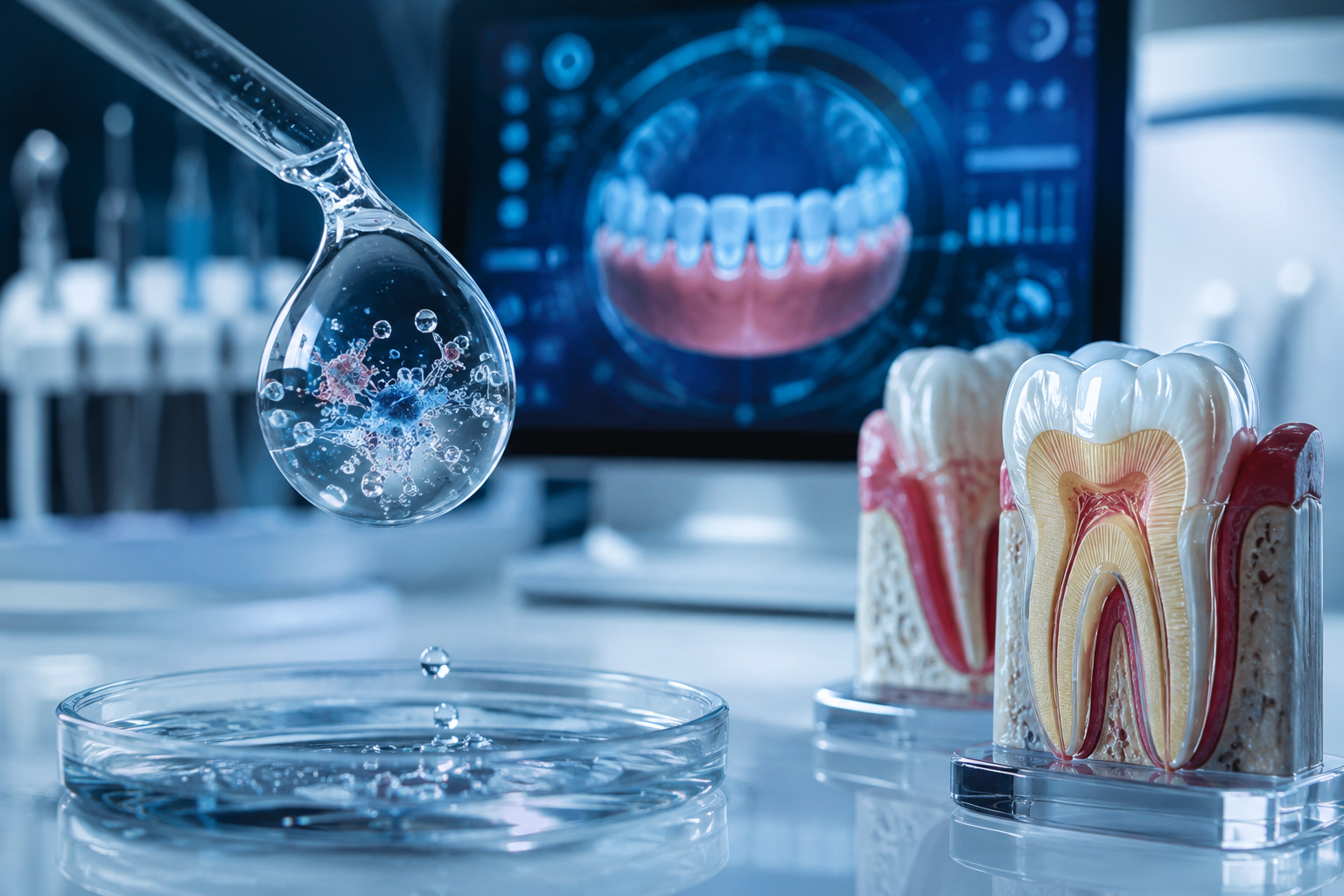
Your saliva contains bacteria, proteins, enzymes, immune-system substances, and other biological markers. Researchers have been studying whether certain combinations of these markers can indicate an increased likelihood of gum inflammation or periodontal disease.
Saliva testing may look for signs such as:
- Higher levels of bacteria commonly associated with periodontal disease
- Certain inflammatory proteins
- Enzymes linked with tissue breakdown
- Changes in the body’s immune response
The idea is relatively simple. If gum tissue becomes inflamed, biological changes may appear in saliva before a person notices pain or visible changes.
However, no single saliva marker can currently provide a complete picture of someone’s gum health. Results still need to be interpreted together with a dental examination.
Can Saliva Testing Find Gum Disease Before You Notice Symptoms?
Potentially, yes.
Some saliva tests may identify bacterial or inflammatory changes associated with periodontal disease before noticeable symptoms become significant. This could be especially useful for people at higher risk of gum problems.
However, saliva testing is not currently a stand-alone way to diagnose gum disease. A dentist still needs to examine your gums, measure the spaces between your teeth and gums, check for bleeding or inflammation, and assess supporting bone when necessary.
At Kitchener Dentist Sherwood Dental, preventive examinations remain one of the most reliable ways to identify early gum changes, whether or not a saliva-based screening test is used.
Saliva testing may eventually become an increasingly useful part of personalized preventive dentistry, helping dentists determine which patients may need closer monitoring.
Who May Be at Higher Risk of Gum Disease?
Anyone can develop gum disease, but certain factors can increase your risk.
Your risk may be higher if you:
- Frequently have plaque buildup around the gumline
- Smoke or use tobacco products
- Have diabetes that is not well controlled
- Have a family history of periodontal disease
- Take certain medications that affect saliva production
- Have dry mouth
- Find it difficult to brush or floss thoroughly
- Have not had a dental examination or cleaning for an extended period
Age can also increase the likelihood of periodontal problems, although gum disease should not be considered unavoidable as you get older.
Symptoms You Should Not Ignore
Even if future saliva tests make earlier screening easier, it remains important to recognize common warning signs.
Contact your dentist if you notice:
- Gums that bleed when brushing or flossing
- Red, swollen, or tender gums
- Persistent bad breath
- Gum recession
- Increased tooth sensitivity near the gumline
- Pus or swelling around the gums
- Changes in the way your teeth fit together
- Loose permanent teeth
Don’t automatically dismiss bleeding gums as a normal result of brushing too hard. Frequent bleeding can indicate inflammation and should be checked.
How Dentists Currently Check for Gum Disease
A dental examination provides information that a saliva test alone cannot.
Your dentist or dental hygienist may visually examine the gums and use a small measuring instrument to check the depth of spaces around each tooth. Healthy gum tissue usually fits closely around the teeth, while deeper pockets can indicate periodontal changes.
Dental X-rays may also be recommended when there is concern about bone loss around the teeth.
Together, these findings help determine whether the gums are healthy, whether gingivitis is present, or whether periodontal disease requires treatment.
How Is Early Gum Disease Treated?
Early gingivitis can often be managed successfully by removing plaque and tartar and improving daily oral hygiene.
Treatment may include professional dental cleaning, better brushing technique, daily flossing or interdental cleaning, and more frequent preventive visits when appropriate.
If gum disease has progressed below the gumline, treatment may involve deeper professional cleaning to remove plaque and hardened deposits from tooth roots. More advanced cases sometimes require care from a dentist with additional periodontal expertise or a gum specialist.
The earlier you identify the problem, the easier it may be to manage.
Practical Ways to Protect Your Gums
You don’t need advanced testing to start protecting your gum health today.
Brush twice daily using fluoride toothpaste and gently clean along the gumline. Clean between your teeth daily with floss, interdental brushes, or another method your dental team recommends.
Avoid smoking, manage conditions such as diabetes with your healthcare providers, and drink enough water to support normal saliva production.
Most importantly, keep up with regular dental examinations and professional cleanings. Dentists can often recognize subtle changes long before they become uncomfortable.
Why Preventive Dental Visits Still Matter
Saliva testing is an exciting area of dental research, but technology works best alongside routine professional care, not in place of it.
Preventive appointments give the dental team an opportunity to evaluate your gums, identify areas that may be difficult to clean, and recommend care based on your individual needs.
Regular visits can also help identify cavities, worn restorations, bite concerns, oral lesions, and other dental problems that a saliva test may not detect.
The Future of Saliva Testing in Dentistry
Saliva testing may eventually allow dentists to assess gum disease risk more precisely and monitor how patients respond to treatment. Researchers continue to investigate which combinations of bacteria and biological markers provide the most dependable information.
For now, view saliva tests as a potentially helpful addition to established dental screening methods.
If you have bleeding gums, persistent bad breath, gum tenderness, or simply have not had your gums checked recently, an examination is the best place to start.
To schedule a preventive dental visit or discuss concerns about your gum health, contact the office at 519-576-2170. Early attention can make maintaining healthy gums simpler and help protect your smile for years to come. Book your appointment today with Kitchener Dentist Sherwood Dental.
DISCLAIMER: The advice offered is intended to be informational only and generic in nature. It is in no way offering a definitive diagnosis or specific treatment recommendations for your particular situation. Any advice offered is no substitute for proper evaluation and care by a qualified dentist.