Dental visits have changed significantly over the past few decades, but the next 10 years could bring even bigger improvements. Artificial intelligence, often called AI, is already being introduced into healthcare and dentistry to help professionals review information, detect potential problems, and plan treatment more efficiently.
For patients, this does not mean robots will replace their dentist. Instead, AI may become another useful tool that helps dentists make informed decisions while making appointments faster, more comfortable, and more personalized. At Kitchener Dentist Sherwood Dental, new dental technologies can complement the experience, training, and personal care the dental team provides.
What Does AI Mean in Dentistry?
In dentistry, AI refers to computer systems that can analyze large amounts of information and identify patterns that may be hard to notice at first.
For example, AI-assisted software can review dental X-rays and highlight areas that may require a closer look. It may identify changes associated with cavities, bone loss, gum disease, or other dental concerns.
The dentist still makes the diagnosis and recommends treatment. AI simply provides additional information that may help support that decision.
Over the next decade, these systems are likely to become more advanced and more widely used in dental offices.
Dental X-Rays Could Become Easier to Analyze
One of the most practical uses of AI in dentistry involves dental imaging.
Dentists already use X-rays to examine areas not visible during a regular visual examination. AI software may help analyze these images and highlight areas that deserve additional attention.
Future systems could potentially compare your current X-rays with images taken several years earlier. This could make it easier to identify gradual changes in your teeth, gums, or supporting bone.
For patients, this may also make X-rays easier to understand. Instead of simply looking at a black-and-white image, you may be able to see clearly marked areas while your dentist explains what they mean.
Earlier Detection of Dental Problems
Many dental conditions are easier to manage when they are identified early.
A small cavity, for example, may require a relatively simple filling. If it continues to grow unnoticed, it may eventually reach the inner part of the tooth and require more extensive treatment.
AI systems may eventually become better at identifying subtle changes associated with:
- Early tooth decay
- Gum disease
- Bone loss
- Cracked or damaged teeth
- Changes around existing fillings or crowns
- Areas that may need further examination
AI is unlikely to replace a dentist’s examination. The technology may instead act as an additional set of digital eyes.
More Personalized Treatment Planning
Dental care is not exactly the same for every patient.
Factors such as age, oral hygiene, previous dental work, gum health, lifestyle, medications, and dental history can affect treatment recommendations.
Future AI systems may combine this information and help dentists develop more personalized treatment plans.
At Kitchener Dentist Sherwood Dental, technology may increasingly help the dental team explain different treatment options while patients remain involved in decisions about their care.
This could be particularly useful when several treatment approaches are available.
Could Dental Appointments Become Faster?
AI may also reduce some of the administrative work involved in dental appointments.
In the future, software could help dental offices organize records, review medical histories, prepare information before an exam, or identify patients due for preventive care.
This could allow dentists and dental staff to spend more appointment time speaking directly with patients.
Digital tools may also make treatment planning more efficient. For procedures involving crowns, implants, orthodontics, or cosmetic dentistry, computer-assisted technology could help dentists review images and plan treatment more precisely.
AI Could Improve Preventive Dental Care
One of AI’s most useful roles may be helping patients prevent problems before they become serious.
Future dental software might analyze changes in your oral health over time and identify patterns that suggest you have a higher risk of developing certain problems.
For example, your dentist might notice that decay repeatedly develops in particular areas or that your gums have gradually changed between appointments.
Instead of waiting until discomfort develops, your dental team could recommend preventive steps earlier.
These might include improving brushing techniques, adding daily flossing or interdental cleaning, using fluoride products, changing certain habits, or scheduling professional cleanings more frequently.
Symptoms You Should Still Pay Attention To
Technology may improve dental diagnosis, but patients should not rely on technology alone.
Contact a dentist if you notice symptoms such as:
- Tooth pain or sensitivity
- Bleeding gums
- Swollen or tender gums
- Persistent bad breath
- A chipped or cracked tooth
- Loose teeth
- Pain while chewing
- Changes in the colour of a tooth
- Swelling around the jaw or gums
- A mouth sore that does not heal
Even mild symptoms can sometimes be an early sign of a dental problem.
Will AI Replace Dentists?
This is one of the most common concerns surrounding artificial intelligence.
Dentistry involves much more than analyzing information. Dentists need to examine patients, understand symptoms, perform procedures, manage unexpected situations, and discuss treatment choices.
Dental care also has an important human side.
Someone who feels nervous about a procedure may need reassurance and a careful explanation. Parents may have questions about their child’s oral health. A patient considering a major treatment may want to discuss costs, benefits, alternatives, and expectations.
AI can provide information, but these conversations still require professional judgement and human communication.
Regular Dental Checkups Will Still Matter
Even as dental technology advances, preventive care will remain important.
Brushing twice a day with fluoride toothpaste, cleaning between the teeth, limiting frequent sugary snacks and drinks, and visiting your dentist regularly are some of the most effective ways to protect your oral health.
Routine examinations also give your dentist a chance to spot changes before they cause noticeable symptoms.
Technology may make these visits more informative, but good oral health will continue to depend on a combination of professional dental care and healthy habits at home.
Looking Ahead to the Dental Appointment of the Future
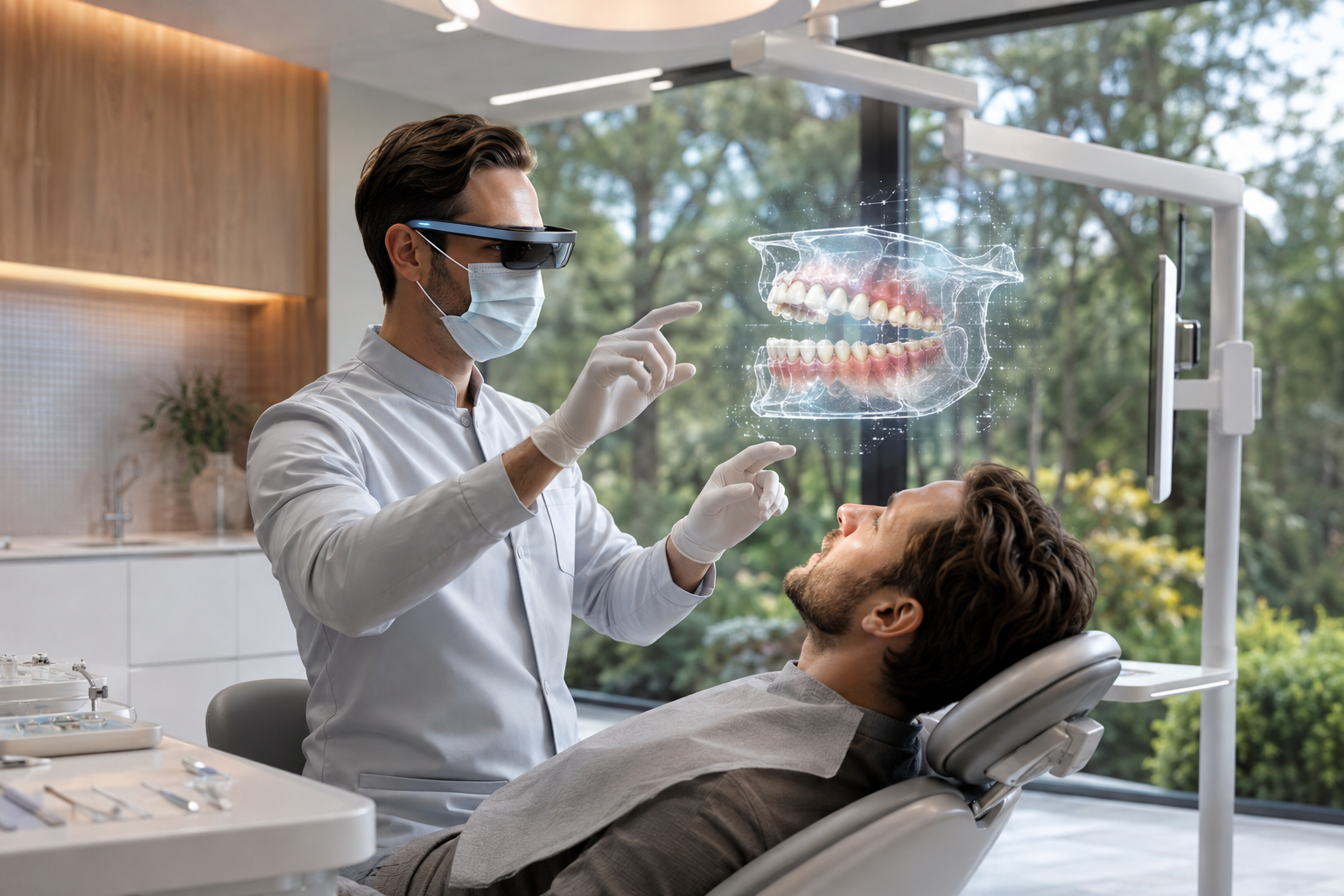
A dental appointment 10 years from now may look more digital than it does today. AI could help dentists analyze images, compare changes over time, develop personalized treatment plans, and explain dental conditions more clearly.
The goal, however, should remain the same: helping patients maintain healthy teeth and gums while making informed decisions about their care.
If you have concerns about your teeth or gums, or if it has been a while since your last dental examination, contact the office at 519-576-2170 to book an appointment and learn more about your oral health with Kitchener Dentist Sherwood Dental.
DISCLAIMER: The advice offered is intended to be informational only and generic in nature. It is in no way offering a definitive diagnosis or specific treatment recommendations for your particular situation. Any advice offered is no substitute for proper evaluation and care by a qualified dentist.