
Root Canal Specialist in Kitchener
We offer specialist dental root canal (endodontic) therapy and endodontic micro-surgical procedures in Kitchener.
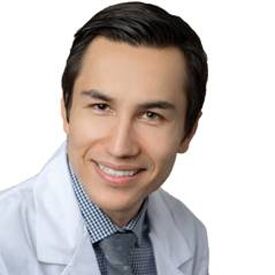
Dr. Joshua Ananthan
Board-Certified Specialist in Endodontics
Dr. Joshua Ananthan was born and raised in Toronto where he returned to practice Endodontics. He graduated dental school from the University of Toronto and then moved to the West coast where he practiced as a general dentist and completed his specialty training in Endodontics at the University of British Columbia.
He is an active member of the dental community including the Canadian Dental Association, the Ontario Dental Association, and the Canadian Academy of Endodontics and is a Fellow of the Royal College of Dentists of Canada.
Dr. Ananthan is committed to providing the highest level of care for his patients and saving teeth through the most current techniques and procedures.
Dr. Ananthan provides comprehensive endodontic and microsurgical care in Kitchener on Wednesdays.
Root canals have a reputation they mostly don’t deserve. For most people the worst part is the toothache that brings them in, not the treatment that fixes it. At Sherwood Dental in Kitchener, root canal treatment (endodontic therapy) is provided by Dr. Joshua Ananthan, a board-certified specialist in endodontics, so saving teeth from the inside is the centre of his work. Here’s what a root canal involves, when you might need one, and what to expect before and after.
New to root canals? Our root canal therapy page covers the basics in plain terms: what the treatment is, the warning signs and how a typical visit goes. This page focuses on specialist care, including complex canals, retreatment and endodontic microsurgery.
What Root Canal Treatment Actually Does
Under the enamel and dentin of every tooth is a hollow space filled with soft tissue called the pulp. It holds nerves and blood vessels, and it runs down through narrow channels inside each root. When bacteria reach the pulp through deep decay, a crack, or an old filling that has started to leak, the tissue becomes inflamed or infected. Once that happens, it can’t heal on its own.
Treatment removes the damaged pulp, cleans and shapes the canals, disinfects them and seals them so bacteria can’t get back in. The tooth stays where it is, keeps doing its job for chewing and keeps its neighbours from drifting. Even after a root canal, your own tooth usually does better than any replacement.
Signs You Might Need a Root Canal
Some teeth make a lot of noise. Others give almost no warning, and the problem only turns up on an X-ray. Things to watch for:
- Sensitivity to hot or cold that hangs on for more than a few seconds after the food or drink is gone
- Throbbing pain that wakes you up at night or starts with no obvious trigger
- Pain when you bite down or press on one particular tooth
- A tooth that has turned grey or darker than the teeth around it
- A small pimple-like bump on the gum near a tooth, sometimes with a bad taste when it drains
- Swelling in the gum or face near a sore tooth
Pain that suddenly stops isn’t always good news. Sometimes it means the nerve has died while the infection carries on. If a tooth was very sore and then went quiet, it’s still worth having it looked at.
If swelling spreads to the point that it affects your breathing or swallowing, don’t wait for a dental appointment. Go to a hospital emergency department.
Why See an Endodontist in Kitchener?
General dentists do plenty of root canals well. Some teeth are just harder than others, though: molars with curved or very narrow canals, teeth hiding an extra canal that’s easy to miss, a previous root canal that’s now failing, or pain where the cause isn’t obvious. An endodontist completes additional years of training after dental school focused on diagnosing tooth pain and treating the inside of the tooth.
Dr. Ananthan completed his specialty training in endodontics at the University of British Columbia and is a Fellow of the Royal College of Dentists of Canada. Having specialist care inside our Kitchener office means many patients can be treated somewhere familiar, without being sent across town.
What to Expect at Your Appointment
Diagnosis comes first
The first job is to find out which tooth is really the problem. Pain can travel, and an upper tooth can feel like a lower one. Expect an exam of the tooth and gums, a few simple tests (tapping, cold, and how the tooth reacts to biting pressure) and X-rays. Then we’ll explain what we found and what your options are, including whether the tooth can be saved at all.
The treatment itself
The area is frozen with local anaesthetic until the tooth is completely numb. A thin rubber sheet called a dental dam goes around the tooth to keep it dry and clean while we work. Through a small opening in the top of the tooth, the canals are cleaned, shaped and rinsed with disinfecting solutions, then filled with a rubber-like material and sealed. Many root canals are done in one visit. Teeth with complicated anatomy or an active infection sometimes need two.
Most patients say it felt a lot like getting a filling, just longer. You’re welcome to bring headphones.
Protecting the tooth afterwards
A tooth that’s had a root canal, especially a back tooth, can be more brittle than before. Often it needs a crown to keep it from cracking. Your dentist will tell you whether that’s recommended for your tooth and when to have it done. Try not to put it off, because a temporary filling isn’t built to last.
Root Canal Retreatment and Endodontic Microsurgery
Most root canals last for many years. Once in a while a treated tooth gets sore again, or an X-ray shows an infection that hasn’t cleared. That can happen when a canal was missed the first time, when a crown or filling leaked, or when new decay reached the root filling. In that case, the options usually look like this:
- Retreatment: the old filling material is removed, and the canals are cleaned again and resealed.
- Endodontic microsurgery (apicoectomy): when the trouble sits at the very tip of the root, a small procedure through the gum removes the infected tissue and seals the end of the root.
- Extraction: if the tooth can’t be predictably saved, removing it and talking about replacement may be the better choice.
Dr. Ananthan provides endodontic microsurgery here at Sherwood Dental. We’ll go over which approach suits your tooth and why, so you can make the decision with the full picture.
Recovery and Aftercare
Expect the tooth to feel tender for a few days, mostly when you bite. That’s normal and usually settles quickly. Some practical tips:
- Wait until the freezing wears off before eating so you don’t bite your cheek or tongue
- Chew on the other side until the tooth has its permanent filling or crown
- Over-the-counter pain relievers are usually enough; ask your pharmacist or dentist which one suits you
- Keep brushing and flossing around the tooth as usual
- Call us if swelling gets worse after a couple of days, if pain is building instead of easing, or if your bite feels high
Root Canal FAQ
Does a root canal hurt?
The tooth is fully frozen, so most people feel pressure rather than pain. It can be sore for a few days afterwards, but that’s usually much milder than the toothache that came before.
Wouldn’t it be easier to just pull the tooth?
Sometimes extraction is the right call. When a tooth can be saved, though, keeping it is usually the better long-term choice. A gap lets nearby teeth shift and can change your bite, and replacing the tooth with an implant or bridge means more treatment. We’ll give you an honest read on your tooth’s chances.
Will I need antibiotics?
Not always. Antibiotics don’t fix an infected nerve; cleaning out the canal does. They may be prescribed if there’s spreading swelling or other signs the infection is moving beyond the tooth.
Does insurance cover root canal treatment?
Many dental plans cover part of endodontic treatment, though the amount varies. Specialist treatment may not be billed directly to your insurer, so call us and we’ll help you check what your plan includes before you start.
If a tooth is aching, lingering with sensitivity, or just doesn’t feel right, don’t wait for it to get worse. Call Sherwood Dental in Kitchener at 519-576-2170 to book an exam and find out whether root canal treatment can save your tooth.
Related treatments
Questions or ready to book? Contact our Kitchener office or call 519-576-2170.