
A Key to Dental Health: Understanding the Role of X-Rays
Maintaining good oral health is critical for overall wellness. X-rays are extremely useful for diagnosing and treating dental problems. At Kitchener Dentist Sherwood Dental, we prioritize the use of advanced X-ray technology to provide comprehensive dental care. This article will discuss the multiple benefits of dental X-rays and how they support accurate dental diagnosis and treatment.
What are Dental X-rays?
Understanding the Basics of Dental X-Rays
Dental X-rays are images that show the inside of teeth and gums. They assist dentists in identifying abnormalities that may otherwise go undetected during a routine dental examination.
Types of Dental X-Rays
- Bitewing: Reveals features of both upper and lower teeth, aiding in detecting decay.
- Periapical: Examining one or two teeth from root to crown can identify root abnormalities.
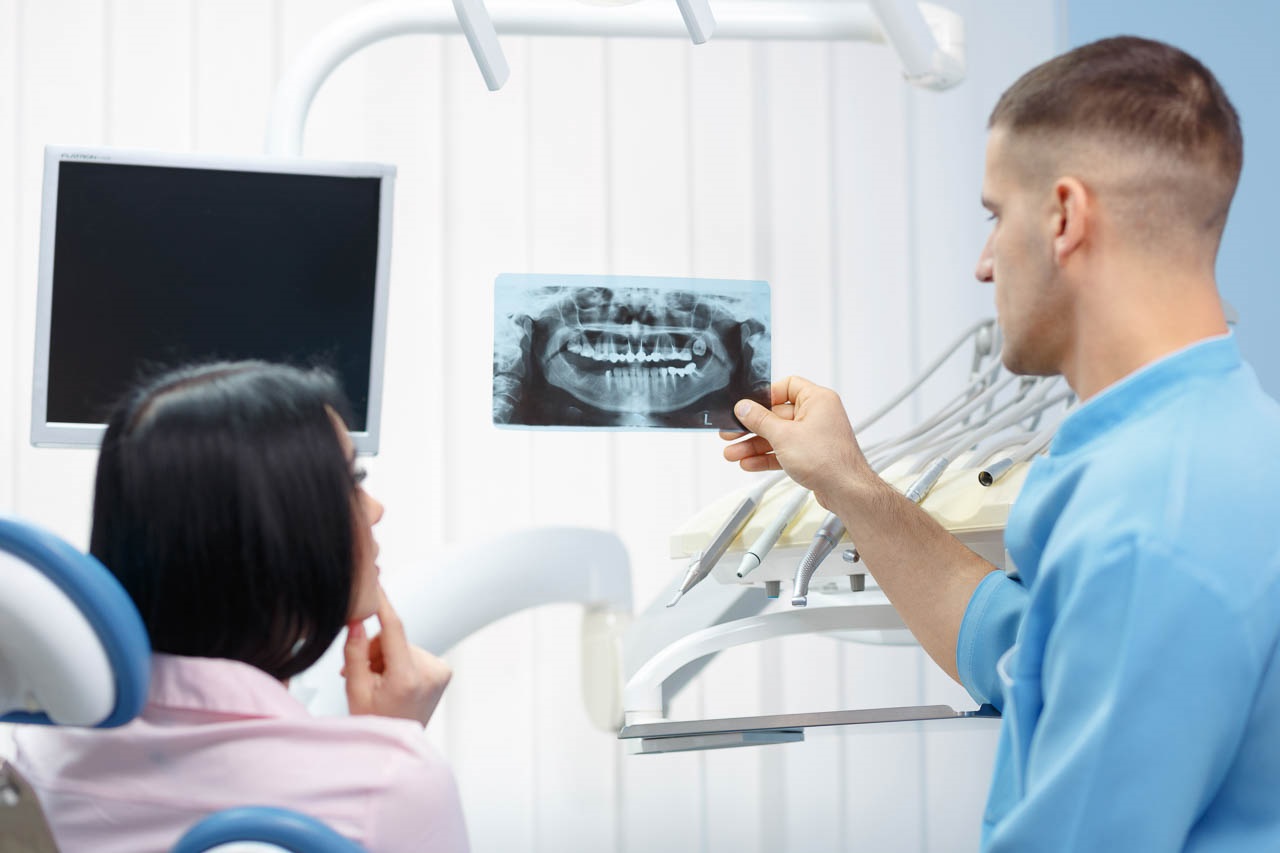
- Panoramic: Images capture the entire mouth and are helpful for planning procedures, including implants.
- Cone Beam CT: Scans provide detailed 3D images of teeth, bones, and soft tissues.
How X-rays Work
The Science of Dental X-rays
X-rays function by delivering small amounts of radiation to your body. Dense structures, such as teeth and bones, absorb more radiation and look white in X-ray images, whereas softer tissues seem darker. A dental X-ray is a simple, painless procedure that involves inserting a sensor into your mouth to take images.
Safety Measures and Technology Advancements
Modern dental X-rays emit extremely low quantities of radiation. X-rays are now safer and more efficient, thanks to technological advances. Digital X-rays, for example, limit radiation exposure while providing immediate findings.
Benefits of Dental X-rays
Early Detection of Dental Issues
Identifying Cavities Early
Identifying cavities: Early dental X-rays can detect cavities before they are noticeable to the naked eye. This allows for quick intervention and therapy, preventing additional degradation.
Detecting Gum Disease
X-rays can help diagnose bone loss caused by gum disease. Early detection enables better management and treatment, protecting your dental health.
Spotting Infections and Abscesses
X-rays can identify infections or abscesses at a tooth’s root that would otherwise go undetected during a routine exam. Early identification enables prompt treatment and helps prevent problems.
Detailed View of Tooth and Bone Structure
Assessing Tooth Roots and Bone Health
X-rays give precise images of tooth roots and surrounding bone to assess overall dental health. This is critical for identifying problems such as root fractures or bone loss.
Evaluating Impacted Teeth and Wisdom Teeth
X-rays can identify impacted teeth, particularly wisdom teeth, that may require removal. This prevents further pain and consequences.
Planning for Dental Implants and Other Treatments
Detailed X-ray images are required for planning dental implants and other restorative operations, resulting in more precise placement and better outcomes.
Monitoring Dental Development and Growth
Tracking Changes in Children’s Teeth
X-rays help monitor children’s tooth development, identify potential concerns, and arrange treatments.
Orthodontic Treatment Planning
X-rays are important in orthodontic treatment planning because they provide detailed images that can be used to create effective braces or aligners.
Monitoring Adult Teeth for Changes Over Time
Regular X-rays help detect changes in adult teeth, such as new cavities or bone loss, allowing for appropriate management.
Personalized Treatment Plans
Developing Accurate Treatment Plans
X-rays provide critical information for developing precise treatment plans suited to individual needs, resulting in the best care.
Minimizing Unnecessary Procedures
Detailed X-ray images allow dentists to prevent unnecessary procedures by precisely diagnosing conditions, saving time and money.
Increasing the Success Rate of Treatments
Accurate diagnosis and treatment planning using X-ray pictures improve the success rate of dental procedures, resulting in better patient outcomes.
Safety and Frequency of Dental X-rays
Ensure Safety in Dental X-Rays
Modern dental X-rays are highly safe and emit very little radiation. The advantages of an accurate diagnosis far outweigh the minor risks of radiation exposure.
Recommended Frequency for Different Patients
Children
Children may require more frequent X-rays to monitor tooth development and identify potential concerns early.
Adults
Adults typically require X-rays every 1 to 2 years, depending on their dental health and risk factors.
Patients with Specific Dental Issues
Patients with a history of oral issues may need more frequent X-rays to monitor their condition and prevent complications.
Innovations in Dental X-Ray Technology
Advancements in Dental Imaging
Digital X-Rays
Digital X-rays reduce radiation exposure while providing immediate findings, which improves diagnostic accuracy and patient outcomes.
3D Imaging and Cone Beam CT
3D imaging and cone-beam CT provide detailed images of teeth and adjacent structures, improving treatment planning and outcomes.
Future Advancements
Continuous advancements in dental imaging technology promise even better diagnostic tools and safer operations for the future.
Myths and Misconceptions about Dental X-Rays
Addressing Common Fears and Concerns
Many individuals have misconceptions regarding dental X-rays. Recognizing that current X-rays are safe and necessary for good diagnosis is critical.
Clarifying Radiation Exposure Levels
Dental X-rays provide extremely minimal radiation exposure, equivalent to that of a short airline journey or a day of natural background radiation.
Highlighting the Significance of X-rays for Dental Health
Dental X-rays are essential for maintaining optimal oral health. They aid in the early detection and treatment of dental diseases, avoiding more significant problems in the future.
Conclusion
Recap of the Advantages of Dental X-rays
Dental X-rays are an essential tool for preserving and improving oral health. They allow for early detection of problems, detailed imaging of teeth and bones, and the creation of tailored treatment regimens.
Encouragement to Consult a Dentist
If you have any worries about your dental health or require an X-ray, please do not hesitate to contact Kitchener Dentist Sherwood Dental. Our team is dedicated to providing the finest possible care using cutting-edge technologies. Make an appointment today to talk about your oral health and X-ray needs. Contact us at 519-576-2170. We are excited to help you attain a healthy, beautiful smile!
DISCLAIMER: The advice offered is intended to be informational only and generic in nature. It is in no way offering a definitive diagnosis or specific treatment recommendations for your particular situation. Any advice offered is no substitute for proper evaluation and care by a qualified dentist.
