A damaged crown can be concerning, particularly for young children, adults, or preschoolers who rely on these repairs for a functional, healthy smile. Maintaining oral health and averting more issues requires knowing how to handle a broken crown, whether you’re a parent, caregiver, or dental professional.
Dental crowns are a popular restorative procedure that provide strength and protection to weak or broken teeth. Although they are highly durable, crowns are not unbreakable. Several things, including damage, deterioration, or normal wear and use, can cause them to break, chip, or even fall off. Children may find the situation especially upsetting because they may not completely comprehend what has happened or how to handle it. Adults with a cracked crown may experience discomfort and difficulty speaking or eating, which can interfere with regular tasks.
In this comprehensive guide, we will examine the best techniques for repairing a fractured crown, with particular attention to the specific needs of adults, schoolchildren, and preschoolers. To ensure you can take the necessary steps to safeguard your oral health and restore your smile, we’ll delve into professional perspectives, present relevant studies, and offer practical recommendations.
The Significance of Addressing a Broken Crown
If a crown fractures, quick action is required. Ignoring the issue may exacerbate damage to the tooth or surrounding tissues, increasing the risk of infection or necessitating more extensive and expensive medical care. A study published in the Journal of Dentistry indicates that maintaining the tooth’s integrity and averting further issues require prompt intervention. Children should be especially aware of this, as their teeth and gums are still developing and may be more susceptible to harm.
Recognizing the Break’s Severity
Determining the extent of the break is the initial step in treating a broken crown. The right course of action will vary depending on the severity of the damage to the crown. It’s crucial to watch for signs of pain in preschoolers, as they may not be able to express their feelings verbally. Some indicators of discomfort include dietary changes or aversion to brushing their teeth. When biting down, both adults and children in school may experience a sharp discomfort or a rough edge, which may be a sign of an issue.
With over 20 years of experience, pediatric dentist Dr. John Smith emphasizes the importance of a comprehensive examination to determine the best course of action. “In some cases, a minor chip can be smoothed out or repaired with dental bonding, while a more significant break may require a replacement crown,” he says. “The key is to seek professional advice as soon as possible to avoid further damage.”
What to Do Right Away If a Crown Breaks
If you or your child has a cracked crown, there are a few quick steps you can take to reduce pain and protect the tooth until you can see a dentist. These precautions are especially crucial for preschoolers and school-age children, who may be more vulnerable to unintentional injuries or may not yet have fully developed oral hygiene routines.
- Rinse the Mouth: Gently use warm water to eliminate particles and lower your chance of getting sick. Make sure that kids don’t ingest any pieces of the shattered crown.
- Refrain from Chewing on the Affected Side: To prevent further damage, refrain from chewing on the side where the crown is fractured. Encourage your youngster to consume soft foods that don’t require much chewing.
- Use Dental Cement: If the crown has entirely fallen off, you can use over-the-counter dental cement to reconnect it temporarily. Until you can see a dentist, this can help shield the tooth underneath. Pay close attention to the directions, especially if you’re using it on small children.
- Use Clove Oil for Pain Relief: Clove oil is a home treatment with anti-inflammatory and pain-relieving properties. Using a cotton swab, apply a tiny amount to the affected region. This is quite helpful for adults or older kids who can handle the strong flavour.
Temporary Solutions Until You See a Dentist
Even though it’s imperative to visit the dentist immediately if a crown breaks, there might not always be a chance to schedule an appointment right away. Temporary fixes in these situations can lessen discomfort and help preserve the tooth.
Maintaining the peace and comfort of preschoolers and school-age children during this period is critical. Tell them that the dentist will fix their crown and that they should take extra care of their tooth until then. According to research published in the International Journal of Pediatric Dentistry, kids who are well-informed and prepared for their dental care collaborate more effectively and feel less anxious during the process.
Adults can avoid further issues by taking temporary measures, such as avoiding hard foods, covering sharp edges with tooth wax, and keeping the area clean. However, it’s crucial to remember that these are temporary fixes and that expert care is required to restore the crown.
What to Expect at the Dentist
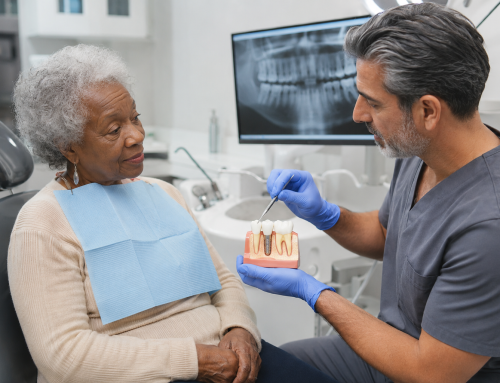
The first thing that happens when you bring a damaged crown to the dentist is a comprehensive examination to determine the extent of the damage. The dentist will probably take X-rays to see if the underlying tooth has been impacted. Although this procedure is usually quick and painless for kids, it can help explain what will happen to them beforehand.
Family dentist Dr. Sarah Johnson observes that when kids comprehend the process, they are frequently more agreeable. “We use child-friendly language and tools to make the experience as comfortable as possible,” she continues. “For adults, we take the time to explain the options and ensure they are fully informed about the treatment plan.”
Options for Broken Crown Treatment
The degree of the break and the state of the underlying tooth will determine how a damaged crown is treated. The following are typical methods of treatment:
- Dental Bonding is a quick, painless process that both adults and children can use to fix crowns with small chips or cracks. It entails filling the damaged area with resin-coloured material and moulding it to match the tooth’s natural curves.
- Replacement Crown: A new crown can be required if the old one has sustained severe damage or completely fallen off. Impressions of the tooth must be taken to create a new crown that fits securely over the existing tooth structure. This procedure might take two appointments for kids, but just one for adults.
- Root Canal Therapy: When damage to the crown reaches the tooth beneath, root canal therapy may be necessary. This is more typical in people who have had crowns for an extended period. In root canal therapy, the injured pulp is removed, the root canals are cleaned and sealed, and a new crown is placed on the tooth.
- Extraction: In rare circumstances, if the tooth is too badly injured to be preserved, extraction may be required. This is usually the last option, and adults are more likely to be advised to use it than children. Bridges or dental implants are two possibilities for replacing the lost tooth after extraction.
Avoiding Further Crown Damage
Developing appropriate oral hygiene practices and leading a conscientious lifestyle are essential for preventing future crown damage. For kids, this entails using a mouthguard when playing sports, avoiding hard or sticky foods, and cleaning and flossing regularly. The Canadian Dental Association states that routine dental examinations are necessary to keep crowns in good condition and monitor their condition.
Adults can protect the integrity of their crowns by eating a balanced diet, refraining from bruxism, and not using their teeth as tools (such as to open packages). Studies have shown that individuals who adhere to these recommendations have a lower risk of crown failure or the need for crown replacement.
Conclusion
Promptly and carefully handling a damaged crown can prevent more serious dental problems in the future. Identifying the extent of the fracture, acting quickly to save the tooth, and obtaining competent care are crucial whether the patient is an adult, a preschooler, or a school-age child. Our skilled Kitchener Dentist Sherwood Dental staff can provide the assistance and attention you need. Please call us at 519-576-2170 or book an appointment as soon as possible to ensure your crown is restored promptly. Our top priority is your oral health, and we’re dedicated to helping you maintain a beautiful, healthy smile for the rest of your life.
DISCLAIMER: The advice offered is intended to be informational only and generic in nature. It is in no way offering a definitive diagnosis or specific treatment recommendations for your particular situation. Please note that any advice offered is not a substitute for proper evaluation and care by a qualified dentist.