Dental implants are a popular way to replace missing teeth, but successful implant treatment depends on more than the condition of the teeth and gums. The jawbone also plays an important role. If you have been told that you have bone loss, you may be wondering whether dental implants are still possible.
The good news is that bone loss does not automatically rule out implant treatment. Depending on the extent and location of bone loss, several options may be available. An assessment with Kitchener Dentist Sherwood Dental can help determine whether implants are suitable for you and whether you need any additional treatment first.
Why Is Jawbone Important for Dental Implants?
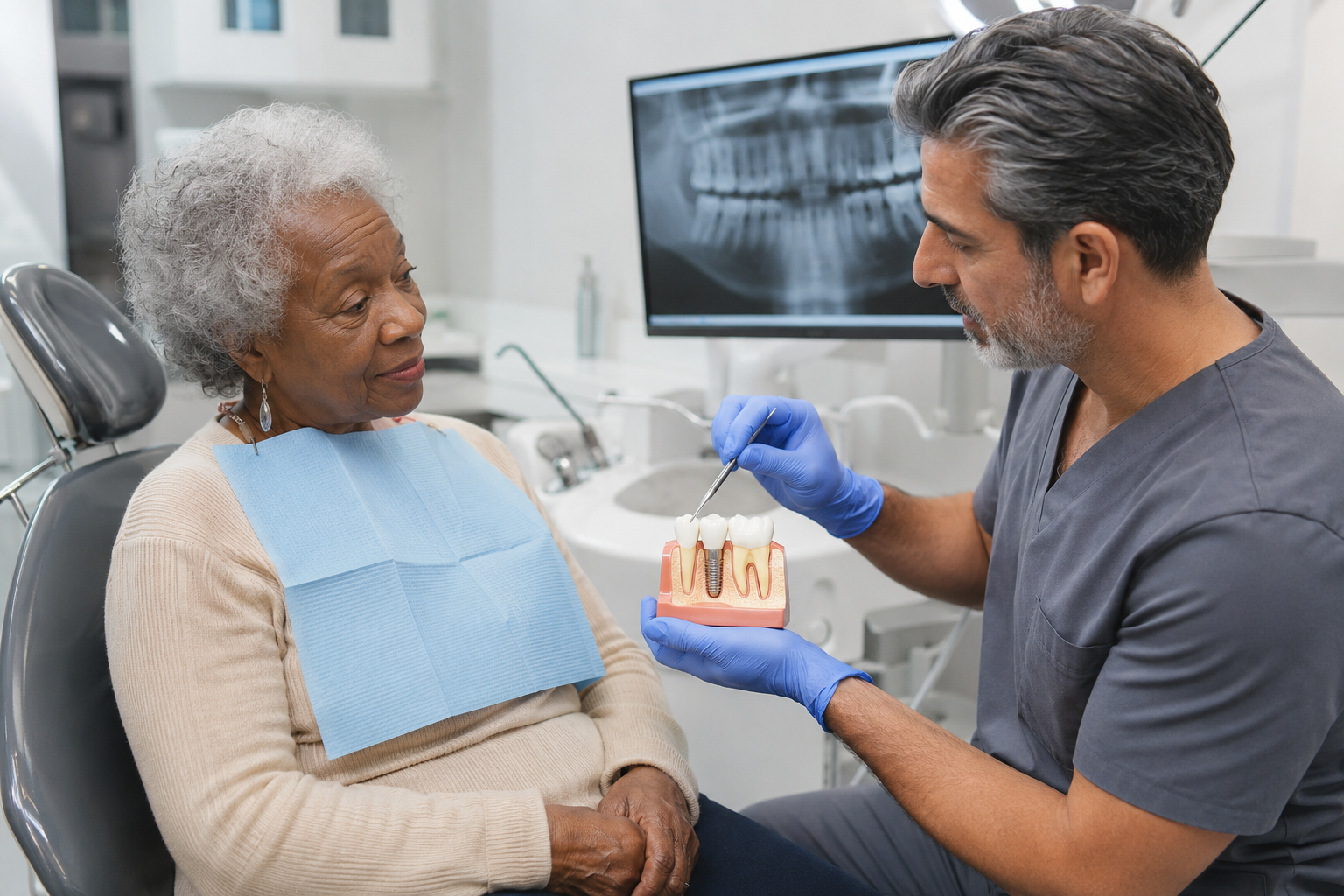
A dental implant is a small post that is placed into the jawbone to support a replacement tooth, bridge, or other dental restoration. Because the implant relies on the surrounding bone for stability, the treatment area must have sufficient healthy bone.
After placement, the bone gradually heals around the implant. This process helps create a strong foundation for the replacement tooth.
When significant bone has been lost, there may not initially be enough support to place an implant safely. However, modern treatment planning can often provide other options.
What Causes Bone Loss in the Jaw?
Jawbone loss can happen for several reasons.
One of the most common causes is having a missing tooth for an extended period. Tooth roots naturally stimulate the jawbone when you chew. Once a tooth is removed, that stimulation decreases, and the bone in the area can gradually shrink.
Other causes may include:
- Gum disease that damages the tissues and bone supporting the teeth
- Long-term missing teeth
- Dental infections
- Trauma to the mouth or jaw
- Poorly fitting dentures that have been worn for many years
- Certain health conditions or medications that affect bone health
The amount of bone loss can vary considerably from one person to another. This is why a detailed dental examination is important before deciding on treatment.
Signs You May Have Jawbone Loss
Bone loss does not always cause obvious symptoms, particularly in its early stages. In many cases, it is discovered during a dental examination or through dental imaging.
Possible signs can include loose teeth, receding gums, changes in your bite, gaps developing between teeth, or dentures that no longer fit as comfortably as they once did.
If bone loss is related to gum disease, you may also notice bleeding gums, persistent bad breath, swollen gums, or tenderness around certain teeth.
Regular dental checkups can help identify these changes before they become more advanced.
Can You Still Get Dental Implants With Bone Loss?
In many cases, yes. The answer depends on how much healthy bone remains and where the implant needs to be placed.
A dentist will usually evaluate the height, width, and quality of the jawbone. Dental X-rays or three-dimensional imaging may be used to see the area in greater detail.
Patients with mild bone loss may still have enough bone for conventional implant placement. Those with more significant bone loss may need an additional procedure before or during implant treatment.
At Kitchener Dentist Sherwood Dental, your dentist can review your jawbone condition and discuss which treatment approach may be appropriate for your situation.
Bone Grafting Before Dental Implants
Bone grafting is one of the most common treatments used when there is not enough jawbone to support an implant.
During a bone graft procedure, grafting material is placed where bone volume has been lost. Over time, the area heals and can develop a stronger foundation for a future implant.
Some smaller grafts can be performed at the same time as implant placement. Larger grafts may need several months of healing before the implant can be placed.
The exact timeline depends on the amount of bone required and how your body responds to treatment.
What Is a Sinus Lift?
Bone loss in the upper back portion of the mouth can sometimes create another challenge. The roots of the upper molars are located close to the maxillary sinuses. After these teeth are lost, there may not be enough bone between the mouth and the sinus to support an implant.
A sinus lift may be recommended in these situations.
This procedure carefully creates additional space for bone grafting material below the sinus. Once the area has healed sufficiently, the dentist may place an implant.
Not everyone who needs an upper dental implant requires a sinus lift. Imaging helps the dentist determine how much bone is available.
Are There Alternatives to Bone Grafting?
Bone grafting isn’t necessary for everyone with bone loss.
Depending on your anatomy and the number of missing teeth, other possibilities may include using a different implant size or position, changing the overall treatment plan, or considering a dental bridge or removable denture.
The best option should consider your oral health, medical history, remaining teeth, bone condition, expectations, and long-term maintenance needs.
How Can You Protect Your Jawbone?
Preventing additional bone loss is especially important if you are considering dental implants.
Good daily oral hygiene can help reduce the risk of gum disease, which is a major cause of bone loss around natural teeth. Brush twice a day, clean between your teeth daily, and follow any specific recommendations provided by your dental team.
Avoiding tobacco is also important because smoking can affect gum health, healing, and the tissues surrounding dental implants.
If you have missing teeth, it is worth discussing replacement options sooner rather than waiting for many years. Jawbone changes can continue after a tooth is lost.
Regular Dental Checkups Matter
Bone loss can progress without causing significant discomfort. Regular dental examinations allow your dentist to monitor your gums, teeth, existing restorations, and jawbone.
Professional cleanings also help control plaque and tartar in areas that can be difficult to reach at home.
If you already have dental implants, ongoing preventive care remains important. Although implants cannot develop cavities, the surrounding gums and bone still need to remain healthy.
When Should You See a Dentist?
Consider scheduling a dental assessment if you have one or more missing teeth, have been told that you have bone loss, have loose teeth, experience persistent gum bleeding, or are having difficulty wearing dentures.
You should also arrange an evaluation if another dentist previously told you that you did not have enough bone for implants. Treatment options can depend on your current oral health and the specific location of the missing tooth, so an updated assessment can be helpful.
Find Out Which Dental Implant Options May Be Right for You
Having jawbone loss does not necessarily mean you cannot receive dental implants. Bone grafting and other treatment approaches may make implant placement possible for many patients, while alternative tooth replacement options are also available when implants are not appropriate.
The first step is a thorough examination and personalized treatment plan. To discuss your dental implant options, contact the office at 519-576-2170 to book an appointment with Kitchener Dentist Sherwood Dental.
DISCLAIMER: The advice offered is intended to be informational only and generic in nature. It is in no way offering a definitive diagnosis or specific treatment recommendations for your particular situation. Any advice offered is no substitute for proper evaluation and care by a qualified dentist.