Dental X-rays help dentists find problems that may not be visible during a regular examination. Still, many patients understandably have questions about radiation exposure, especially when X-rays are recommended for children, pregnant patients, or people who need dental imaging regularly.
The reassuring news is that modern digital dental X-rays use very little radiation and are taken only when clinically necessary. At Kitchener Dentist Sherwood Dental, digital imaging may be used to help identify concerns early and create a more accurate treatment plan.
What Are Digital Dental X-Rays?
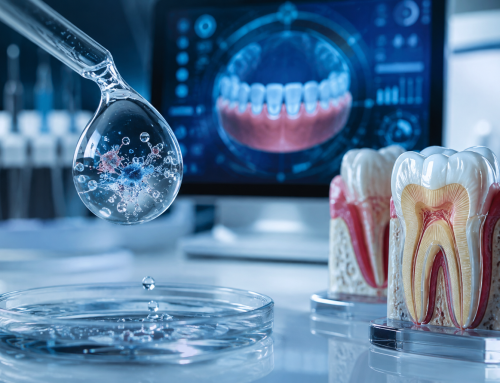
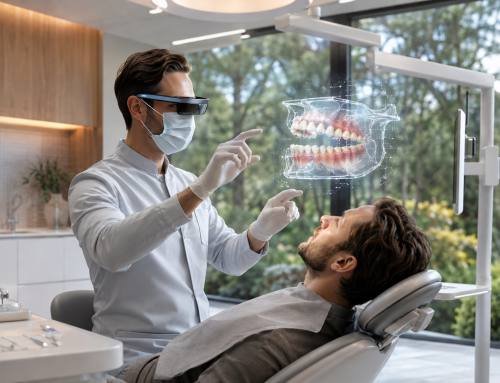
Digital dental X-rays produce images of your teeth, roots, jawbone, and surrounding structures. Instead of traditional photographic film, they use electronic sensors that capture images directly to a computer.
The images appear within seconds and can be enlarged or adjusted so the dentist can examine specific areas more closely. This technology also makes it easier to securely store images and compare them with X-rays taken during previous visits.
Depending on your dental needs, your dentist may recommend different types of images. Bitewing X-rays are commonly used to look for cavities between the teeth. Periapical X-rays show the entire tooth, including the root and surrounding bone. Panoramic images provide a broader view of the teeth, jaws, sinuses, and jaw joints.
Do Digital Dental X-Rays Use Radiation?
Yes, digital dental X-rays use ionizing radiation to create an image. However, the amount used for dental imaging is low, and modern equipment is designed to keep exposure as limited as reasonably possible.
Digital sensors are generally more sensitive than traditional dental film. This means they can create a useful image with less radiation than older film-based systems.
Dental professionals also follow established safety practices. X-rays are not normally taken without a reason. Your dentist will consider factors such as your age, oral-health history, current symptoms, cavity risk, and the time since your previous images.
Why Might Your Dentist Recommend an X-Ray?
A visual examination provides valuable information, but it cannot show everything happening below the gumline or inside a tooth. Dental X-rays may help detect:
- Cavities between teeth or underneath existing fillings
- Infections near the roots of teeth
- Bone loss associated with gum disease
- Impacted or improperly positioned teeth
- Cracks, damage, or changes within a tooth
- Problems with developing adult teeth in children
- Jawbone changes or other unusual findings
Finding these concerns early may allow for simpler treatment and help prevent discomfort or more extensive dental problems.
For example, a small cavity between two teeth may not cause pain or be visible in the mirror. Without an X-ray, it could continue growing until the tooth becomes sensitive or requires a larger restoration.
How Is Radiation Exposure Minimized?
Dental clinics use several precautions to protect patients and ensure imaging is performed safely.
The equipment is focused on a specific area rather than exposing the entire body. The dental team selects the appropriate image type and exposure setting for each patient. Images are also reviewed for quality to reduce the need for retakes.
A protective apron or thyroid collar may be used when appropriate, depending on the type of X-ray, the equipment, and current clinical guidelines.
At Kitchener Dentist Sherwood Dental, the decision to take dental X-rays is based on each patient’s individual needs rather than on a one-size-fits-all schedule.
Are Dental X-Rays Safe for Children?
Children may occasionally need dental X-rays because their teeth and jaws are still developing. Images can help a dentist check whether permanent teeth are forming properly, identify cavities between closely spaced teeth, and monitor tooth eruption.
Because children are smaller and may be more sensitive to radiation, dental teams use exposure settings suited to their size. X-rays should be recommended according to the child’s oral health, symptoms, dental history, and risk of developing cavities.
Parents are encouraged to ask why an image is needed and how it will assist with diagnosis or treatment. A dentist should be able to explain the purpose clearly.
What About Dental X-Rays During Pregnancy?
Tell your dental team if you are pregnant, think you may be pregnant, or are trying to become pregnant.
Necessary dental treatment should not automatically be delayed during pregnancy, especially when there is pain, swelling, trauma, or a possible infection. In some situations, an X-ray may be important for making an accurate diagnosis and preventing a dental problem from worsening.
Your dentist will evaluate whether the image is needed and use appropriate precautions. Non-urgent imaging may sometimes be postponed, but this decision should be made based on your individual circumstances.
How Often Should Dental X-Rays Be Taken?
There is no single schedule that is right for every patient. Someone with frequent cavities, gum disease, dental implants, ongoing treatment, or unexplained symptoms may need images more often. A patient with healthy teeth and a low risk of dental problems may need them less frequently.
Your dentist may consider:
- Your current oral health
- Your history of cavities or gum disease
- Your age and stage of dental development
- Existing crowns, fillings, implants, or root canals
- New symptoms such as pain or sensitivity
- Previous X-rays and how recently they were taken
Bringing copies of recent dental X-rays when changing clinics may help prevent unnecessary duplication.
Symptoms That May Require Dental Imaging
Contact a dentist when you experience ongoing tooth pain, pain when biting, swelling, sensitivity that does not improve, a broken tooth, bleeding gums, or a loose adult tooth.
You should also arrange an assessment if you notice a lump, sore, or unusual change in your mouth that does not heal. These symptoms do not always mean an X-ray is required, but imaging may help the dentist understand the cause of the problem.
Severe swelling, fever, difficulty swallowing, or difficulty breathing may indicate a more urgent condition and should be assessed promptly.
Digital X-Rays and Preventive Dental Care
Dental imaging is only one part of preventive care. Regular examinations allow your dentist to monitor changes in your teeth and gums, review your home-care routine, and recommend treatment before a concern becomes more serious.
You can also protect your oral health by brushing twice daily with fluoride toothpaste, cleaning between your teeth daily, limiting sugary snacks and drinks, and attending professional cleanings as recommended.
When X-rays are combined with regular checkups and good home care, they provide useful information that helps your dental team make informed decisions about your health.
Have Questions About Dental X-Rays?
It is reasonable to ask why an X-ray is being recommended, what type of image will be taken, and how the results may affect your care. Clear communication can help you feel more comfortable and confident about your treatment.
To schedule a dental examination or discuss whether digital dental X-rays are appropriate for you or your family, contact the office at 519-576-2170 and book an appointment with Kitchener Dentist Sherwood Dental.
DISCLAIMER: The advice offered is intended to be informational only and generic in nature. It is in no way offering a definitive diagnosis or specific treatment recommendations for your particular situation. Any advice offered is no substitute for proper evaluation and care by a qualified dentist.