Missing teeth can have a bigger impact than you might think. They don’t just affect your smile; they can influence your ability to chew, speak clearly, and even maintain the natural shape of your face. Over time, gaps in your smile can also lead to changes in your bite, shifting of remaining teeth, and jawbone loss. Fortunately, dental implants offer a permanent, natural-looking solution that can restore both the appearance and function of your smile.
At Kitchener Dentist Sherwood Dental, we’ve helped countless patients regain their confidence and oral health through high-quality dental implant treatments.
What Are Dental Implants?
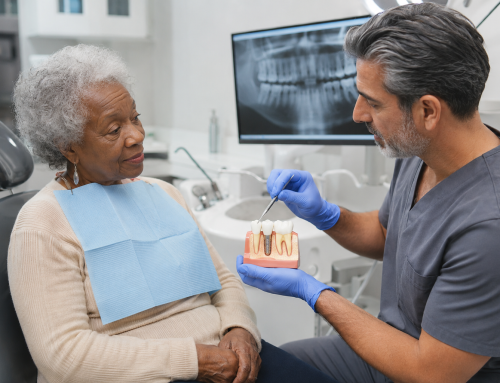
Dental implants are artificial tooth roots usually made of titanium that are surgically placed into your jawbone. Once healed, the implant integrates with your bone in a process called osseointegration. This strong foundation allows for the secure attachment of a crown, bridge, or denture, creating a natural look and feel.
Unlike removable dentures, dental implants are fixed in place, meaning you can eat, speak, and smile without worrying about them shifting or slipping.
Why Choose Dental Implants for Missing Teeth?
Dental implants are considered the gold standard for tooth replacement. They offer several advantages over other options such as traditional dentures or bridges:
- Durability – Implants can last decades with proper care.
- Jawbone Preservation – They stimulate bone growth, preventing bone loss that often occurs after tooth loss.
- Natural Appearance – The crown is designed to match your surrounding teeth in colour, shape, and size.
- Improved Function – Eat your favourite foods without restrictions.
- Long-Term Investment – While the upfront cost may be higher, implants often require fewer replacements than dentures or bridges over a lifetime.
The Dental Implant Process
Getting dental implants involves several stages to ensure the best possible results. While treatment timelines vary depending on your needs, here’s what you can generally expect:
Initial Consultation and Assessment
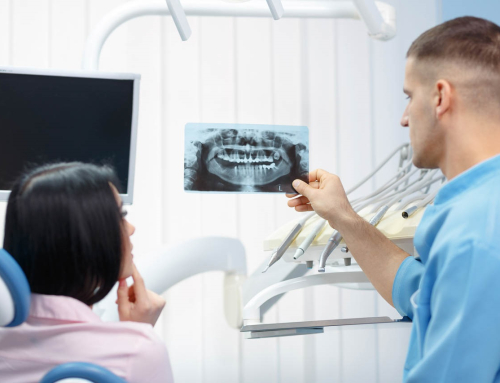
Your journey begins with a thorough examination, dental X-rays, and a discussion about your goals. We evaluate your oral and overall health to determine if implants are the right choice for you.
Treatment Planning
If you’re a candidate, we create a personalized treatment plan. This includes the number of implants needed, the type of restoration, and any additional procedures, such as bone grafting, if necessary.
Implant Placement Surgery
The titanium implant post is surgically inserted into your jawbone under local anesthesia (and sedation if preferred). Healing time typically ranges from 3 to 6 months as the implant fuses with your bone.
Abutment Placement
Once healing is complete, a small connector called an abutment is attached to the implant. This will hold your final crown or restoration securely in place.
Final Restoration
A custom-made crown, bridge, or denture is designed and fitted to blend seamlessly with your natural teeth.
Who Is a Good Candidate for Dental Implants?
Dental implants are a versatile option, but they’re not right for everyone. You may be an ideal candidate if you:
- Have one or more missing teeth.
- Have healthy gums and adequate jawbone density.
- Do not have uncontrolled chronic conditions such as diabetes.
- Are committed to maintaining good oral hygiene.
- Are a non-smoker or willing to quit before and after surgery for optimal healing.
Even if you’ve been told you don’t have enough bone for implants, procedures like bone grafting or sinus lifts can make treatment possible.
Benefits of Replacing Missing Teeth with Dental Implants
Here’s a closer look at why implants are one of the most recommended solutions for missing teeth:
- Prevents Bone Loss – The implant acts like a natural tooth root, stimulating your jawbone to keep it healthy and strong.
- Maintains Facial Structure – Avoids the “sunken” appearance that can occur with missing teeth.
- Boosts Confidence – You can smile freely without feeling self-conscious about gaps.
- Improves Oral Health – Unlike dental bridges, implants don’t require grinding down neighbouring teeth.
- Restores Full Function – Enjoy a natural bite and chew without discomfort or slipping.
How to Care for Dental Implants
Dental implants are low-maintenance compared to removable dentures, but they still require proper care to ensure they last for decades.
Key tips for caring for your dental implants:
- Brush twice daily using a soft-bristle toothbrush.
- Floss or use interdental brushes to clean between implants and natural teeth.
- Visit your dentist for regular cleanings and check-ups.
- Avoid using your teeth as tools to open packages.
- Limit very hard or sticky foods that can damage the crown.
Common Myths About Dental Implants
There are a few misconceptions that can cause hesitation when considering implants:
- “Implants are painful.” – The surgery is done under anesthesia, and most patients report minimal discomfort during recovery.
- “They’re too expensive.” – While the upfront cost is higher, implants can save money long-term by avoiding repeated replacements.
- “They look fake.” – Modern dental technology ensures crowns match your natural teeth perfectly.
Why Choose Kitchener Dentist Sherwood Dental for Dental Implants?
We combine advanced technology with compassionate care to ensure your dental implant experience is as comfortable and successful as possible. Our team is experienced in placing and restoring implants, tailoring each treatment plan to meet your individual needs.
We use precise imaging for accurate placement, offer sedation options for your comfort, and provide ongoing aftercare to maintain your results for years to come.
Take the First Step Towards a Complete Smile
If you’ve been living with missing teeth, now is the time to explore dental implants. They offer unmatched stability, function, and beauty, helping you smile with confidence again.
📞 Call Kitchener Dentist Sherwood Dental today at 519-576-2170 to schedule your consultation and learn how dental implants can transform your smile.
DISCLAIMER: The advice offered is intended to be informational only and generic in nature. It is in no way offering a definitive diagnosis or specific treatment recommendations for your particular situation. Any advice offered is no substitute for proper evaluation and care by a qualified dentist.