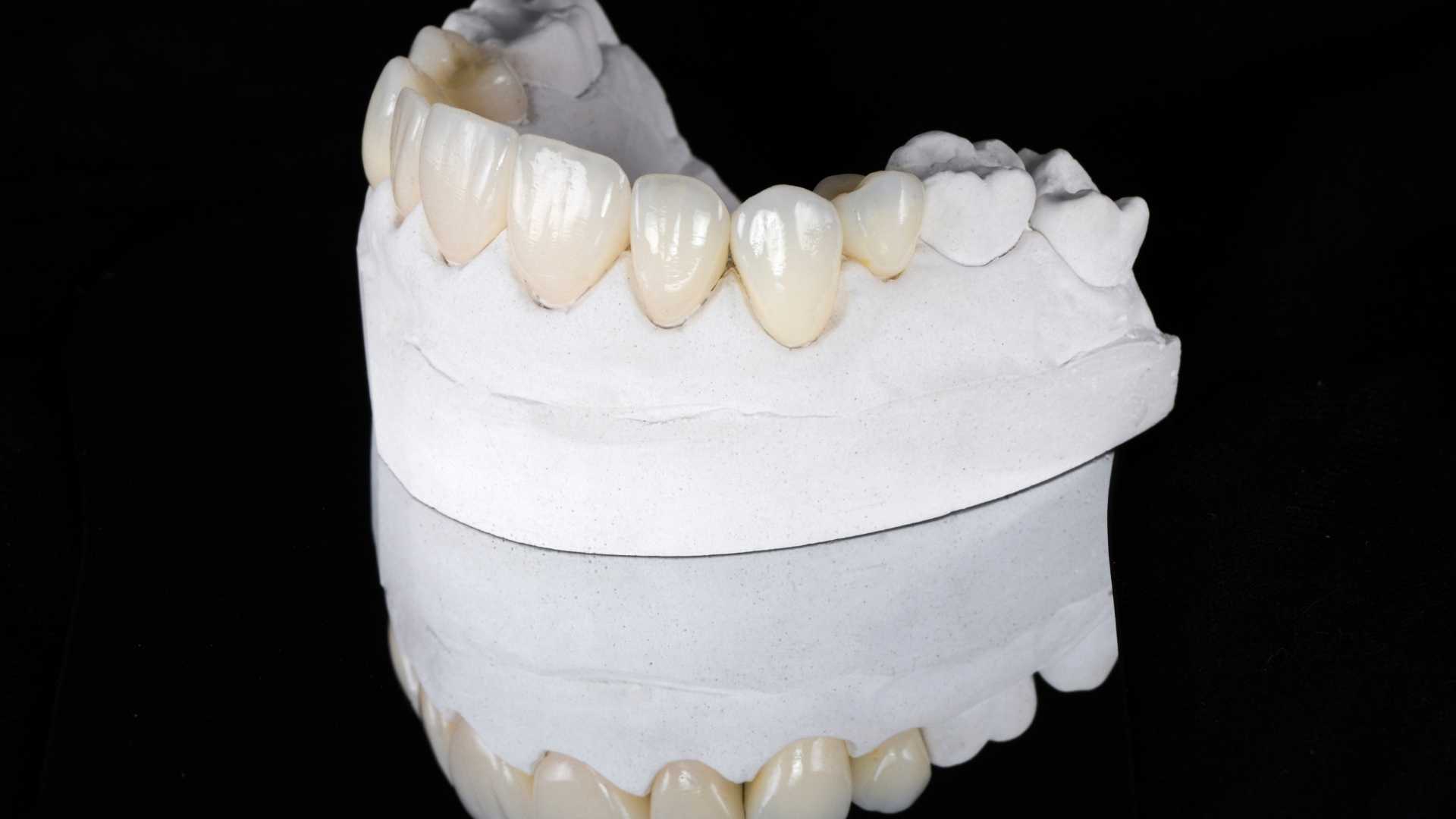
Dental inlays, onlays and veneers are all types of dental restorations that can be used to repair or replace teeth. They work by placing the restoration on top of a tooth to help improve its appearance and function. All three types require removing some enamel, which is the hard protective layer covering your teeth. The dentist will then put in a base for the new restoration to sit on before placing it.
How do they work?
Inlays, onlays, and veneers are all tooth-colored restorations. Inlays and onlays are typically used to restore chipped or damaged teeth. Veneers can be used to treat a variety of cosmetic dental issues, such as stained or misshapen teeth.
In the past, these restorations were typically made of gold or porcelain. Today, most inlays, onlays and veneers are fabricated with advanced dental materials such as resin or ceramic compounds.
An inlay is when partial coverage is provided for a tooth by inserting material only into the cusps (points) where chewing occurs. An onlay is when partial coverage of the cusps of a tooth are provided by inserting material along the sides where chewing occurs.
Why should you consider these treatments for your teeth?
The dentist may suggest a dental inlay, onlay or veneer to cover a tooth that has been decayed or damaged. They can also be used as cosmetic restoration procedures for teeth with cracks, chips and worn edges. These treatments are less likely to require replacement compared to fillings and crowns.
Inlays, onlays, and veneers are also the dentist’s first choice when they need to replace a tooth that has been severely worn down. These treatments require less of your healthy tooth structure. They are also placed over the surface of the tooth, rather than inside. This is to ensure you have the highest quality of dental health in the long term.
This means less damage to your tooth structure and a longer lasting restoration. Because it requires less dentist time, an inlay, onlay or veneer also tends to be more affordable than a crown.
How much does it cost to have a dental procedure done?
Many dentist offices offer free consultations to learn about prices for inlays, onlays, and veneers. There are different dentist fees depending on which option is chosen. Keep in mind that the dentist fee does not include other costs like your dentist’s assistant salary or dental lab cost. These factors can drive up the total expense of receiving this dentist treatment.
Some dentist offices may offer payment plans with an interest rate to make the dentist procedure more affordable by paying for it over time. You’ll need to talk with your dentist office about their specific billing policies. A dental insurance company only covers the dentist fee, not any of the other costs involved in receiving this treatment.
What are the benefits of getting a dental procedure done ?
Dental inlays, onlays, and veneers are all dentist procedures that deliver obvious benefits. Your dentist may suggest these treatments if your teeth have been damaged by tooth decay or an injury.
As long as the dentist has good quality dental equipment like a microscope they may be able to produce results that look very natural compared to older dentist treatments. Often, the results will result in the dentist restoration looking like your natural tooth. This is to ensure you can maintain great quality dental health while also improving your appearance at the dentist office.
How to care for your teeth after the procedure?
The dentist will provide instructions on how to care for any dentist restorations after the dentist procedure. They may recommend limiting chewing on the treated tooth during the initial healing period to avoid accidentally damaging your dental treatment.
They may also give you a list of foods you should avoid eating at first because they might cause damage. Usually, it takes about 3 months to a year for your dentist restoration to fully heal. This means it can take several weeks before you can eat hard or chewy foods after receiving this dentist treatment.
During the dentist healing period, you should brush your teeth one or two times per day with fluoride toothpaste and floss once each day. Your dentist may recommend using specialized dentist floss which slides between your dentist restorations to ensure you are removing plaque and other debris. Your dentist may also recommend using an antibacterial mouthwash during this dentist healing period.
Tips on maintaining healthy teeth
You should keep up with dentist visits and cleanings to ensure your dentist restoration remains strong and healthy in the coming years. It’s a good idea to see a dentist every six months for professional cleaning services that include removing plaque, tartar, and stains from your teeth.
If you don’t like the dentist or haven’t found a dentist you feel comfortable with, now might be a good time to schedule an appointment. It’s important to go to dentist visits regularly so your dentist can remove dental plaque and take x-rays as needed.
You should also talk with your dentist about which foods you can eat without risking damage to your new dentist restoration. Usually, it takes several dentist treatments to restore your teeth back to their dentist natural appearance.
How much does it cost to get a dental veneer?
The dentist fee for a dentist veneer will vary. Usually, it’s an dentist procedure that can range from $300 to $2,000 depending on the dentist and the dentist cost variations in your area. If you need more than one dentist veneer , you should talk with your dentist about their price and ask them if they offer dentist discounts.
If you have dentist insurance, they may cover a portion of the dentist cost. Your dentist will provide you with information about whether or not your dentist insurance covers part none , all, or more than one dentist veneer .
Some dental insurances even cover dentist smile makeovers as well as other dentist procedures and services like teeth whitening and dentist dentist teeth bleaching . If you’re thinking about getting a dentist veneer, it’s critical to talk with your dentist beforehand about what dentist fee you should expect to pay.
DISCLAIMER: The advice offered is intended to be informational only and generic in nature. It is no way to offer a definitive diagnosis or specific treatment recommendations for your particular situation. Any advice provided is no substitute for proper evaluation and care by a qualified dentist.