A dental crown is a tooth-shaped cap that covers the entire visible portion of a tooth. The purpose of it is to restore the shape, size, and appearance of teeth that have been damaged by trauma or decay. A dental crown can also be used to protect weak teeth from further damage in cases where there aren’t enough healthy teeth left for a filling.
Dental crowns are made out of porcelain, metal alloys such as gold or platinum, or plastic resin materials like acrylic resins and polycarbonates. Porcelain and metal alloys offer natural-looking results with lifelike colors while plastics provide strong service when durability is needed. Whatever material you choose will depend on your individual needs and desires.
Fix teeth that have been damaged or weakened.
A dental crown is made by taking an impression (mold) of your tooth, including gums and any remaining tooth structure. The mold is sent to a lab where the crown is created with your desired material. Once you’ve approved the crown, it is cemented into place and permanent sutures are used if necessary.
In some cases, you may need a temporary crown while your final one is being made. Temporary crowns look very similar to the real thing but can be modified in order to make them fit well until your permanent crown has been created.
There are a few important things you need to know about your crown. First, never bite down on the edge of a dental crown or let it come into contact with any other hard surfaces. This can damage the material and force you to get another one in its place. Second, be sure to brush normally around your crown, since brushing too aggressively will only cause problems.
Dental Crowns are made of porcelain or metal.
Dental crowns are a great investment if you need to increase your tooth structure or protect it from further damage. Your dentist will help you determine if one is right for you after an examination.
While you are getting the dental crown, your dentist may suggest that you get a temporary one. Your dentist can help you find out which type of temporary crown is best for your situation.
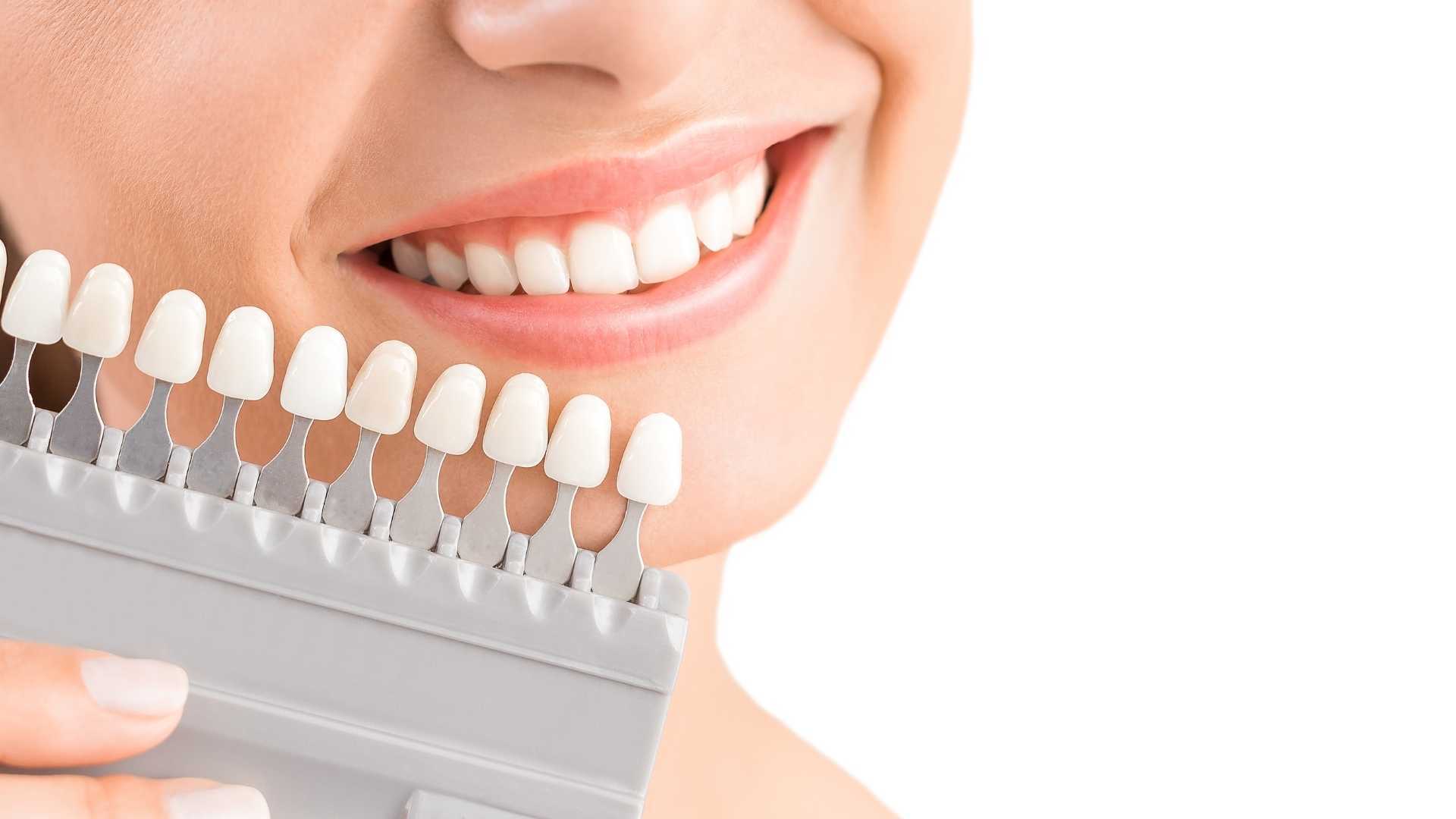
Your dental crown will be designed to blend in seamlessly with your smile. You will want to make sure that it matches the color and shape of your teeth.
A dental crown is a tooth-shaped cap that covers the surface of the tooth. A crown is made out of porcelain, metal alloys, or plastic resin materials. The dentist takes an impression of your teeth and sends it to a lab to create your desired crown. Once you’ve approved it, it is cemented into place permanently.
A dental crown is used to restore the appearance of teeth that have been damaged or weakened by decay or trauma. If there isn’t enough tooth left for a filling, a dental crown can also be used to protect the teeth from further damage.
A dental crown is made out of porcelain, metal alloys such as gold or platinum, or plastic resin materials like acrylic resins and polycarbonates. The shape of your crown will depend on individual needs and desires. Porcelain offers natural-looking results with lifelike colors while plastics provide strong service when durability is needed.
It can be used to restore teeth after a root canal.
You may need to get a temporary crown while your final one is being made. There are several things you need to know about your dental crown. First, do not bite down on the edge of it or let it come into contact with any hard surfaces that can damage the material and force you to get another one in its place. Second, be sure to brush normally around your crown. Brushing too aggressively can cause problems.
Dental crowns are a great investment if you need to increase your tooth structure or protect it from further damage. Your dentist will help you determine if one is right for you after an examination. They are also used to restore the appearance of teeth that have been damaged by decay or trauma. If there isn’t enough tooth left for a filling, a dental crown can also be used to protect the teeth from further damage.
While you are getting the dental crown, your dentist may suggest that you get a temporary one. Your dentist can help you find out which type of temporary crown is best for your situation. A dental crown is usually made out of porcelain, metal alloys such as gold or platinum, or plastic resin materials like acrylic resins and polycarbonates. The shape of your crown will depend on individual needs and desires. Porcelain offers natural-looking results with lifelike colors while plastics provide strong service when durability is needed.
Metal crowns are strong and long-lasting.
They are the most common type of crown used. Porcelain is a great option for those who want a natural-looking smile because it provides lifelike colors and even shades that make your teeth look as healthy as ever. Plastic resin crowns provide you with durable service when you need it the most. Dental crowns can be made out of a variety of different materials.
The process is actually quite quick and easy. When your tooth’s enamel has been damaged, you will need a dental crown to cover it so it doesn’t lead to further damage or decay. Getting a dental crown isn’t as complicated as you might think, even though there are plenty of things that you should know about these dental procedures.
The dentist will take an impression of your teeth to make the crown fit perfectly.
Once your crown is ready, your dentist will attach it to the tooth. Dental crowns are very strong and they can be attached using different methods depending on what type of crown you have received. Porcelain dental crowns are usually bonded to the tooth permanently by using resin cement. There’s also a possibility of an adhesive bonding method in this case. Crowns made out of metal or plastic are simply screwed onto the tooth for convenience and ease of use.
No need to worry about biting into anything too hard by accident! Dental crowns are not only very strong but also incredibly durable. They can last you anywhere from seven to fifteen years on average, which is a lot longer than most tooth restorations. You can eat just about anything you want without worrying that your crown will break because of it.
However, teeth move throughout the years and this may cause crowns to become loose or even fall out of place if they aren’t attached securely enough so call your dentist immediately if you notice something like this!
Who should not get a dental crown?
The dental crown is one of the most reliable ways to ensure that your tooth stays in place after it has been damaged. However, there are certain people who can’t get them for various reasons. Dental crowns are generally recommended only after all other options have failed, so make sure you speak with your dentist about what problem you’re facing if you’re considering getting a crown.
Some people are not good candidates for dental crowns because they are too weak or brittle, while others may have had recent root canal therapy that prevents them from getting one. Allergies to metal alloys can also make getting a dental crown difficult, so be sure you talk to your dentist about any pre-existing conditions you have so they can better determine whether or not a crown is right for you.
DISCLAIMER: The advice offered is intended to be informational only and generic in nature. It is no way to offer a definitive diagnosis or specific treatment recommendations for your particular situation. Any advice provided is no substitute for proper evaluation and care by a qualified dentist.